
Selling an Inherited House in North Carolina: Step by Step
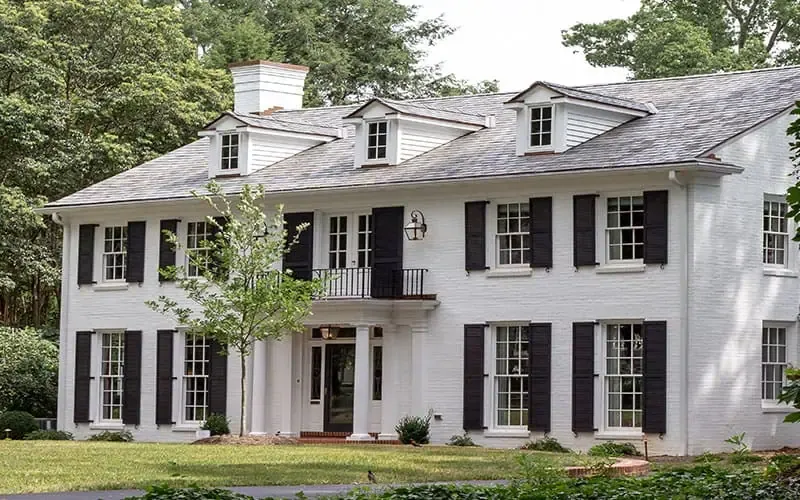
When someone you love passes away and leaves you a house, you are dealing with grief and paperwork at the same time. The house itself often becomes the hardest part: it needs to be maintained, insured, and eventually sold, and there may be several family members who all need to agree.
This guide explains how selling an inherited house in North Carolina works, step by step. It is written for families, not lawyers. For anything specific to your situation, your estate attorney is the right person to ask.
Who has the legal right to sell an inherited house in North Carolina?
In North Carolina, an inherited house is usually sold by the personal representative of the estate, called an executor if there is a will or an administrator if there is not. That person is appointed by the Clerk of Superior Court in the county where the deceased lived, and receives letters that prove their authority.
In Mecklenburg County, estates are handled by the Estates Division of the Clerk of Superior Court. Other counties have their own clerk’s office.
Two situations are common:
- There is a will. The will names an executor. If it gives the executor the power to sell real estate, the process is usually simpler.
- There is no will. State law decides who inherits, and the clerk appoints an administrator. The heirs share ownership of the house.
Title to real estate in North Carolina generally passes to the heirs or beneficiaries when the owner dies, but the estate can still need the property to pay debts. That is why closing attorneys pay close attention to who signs the deed.
What are the steps to sell an inherited house?
Here is the typical order of events:
- Open the estate. The executor or an heir applies with the Clerk of Superior Court and is appointed personal representative.
- Notify creditors. The personal representative publishes a notice to creditors. In North Carolina, creditors generally have at least three months from the first publication to file claims.
- Secure the house. Change the locks if needed, keep insurance active, and keep utilities on enough to prevent damage.
- Decide what to do with it. Keep it, rent it, or sell it. If there are several heirs, get everyone on the same page early.
- Get a value. Ask an agent for a pricing opinion, get an appraisal, or request a cash offer, or do all three.
- Sign a contract. The personal representative, and often the heirs, sign the purchase agreement.
- Close with an attorney. The closing attorney confirms who needs to sign, pays off any mortgage or liens, and distributes the proceeds to the estate.
Your estate attorney can tell you whether the will’s language, the clerk, or the heirs’ signatures are needed for the deed in your case.
Should you sell the inherited house as-is or fix it up first?
Most families should compare both options on paper before spending money on repairs. Fixing up an inherited house can raise the sale price, but it also means paying contractors, waiting weeks or months, and carrying the mortgage, taxes, insurance, and utilities the whole time.
Inherited homes are often older and have not been updated in years. Common issues include:
- Roofs, HVAC systems, and water heaters near the end of their life
- Original kitchens and bathrooms
- Plumbing and electrical that do not meet modern expectations
- A lifetime of belongings that need to be sorted, donated, or hauled away
If the heirs live out of town, managing a renovation from a distance is hard. That is where an as-is sale makes sense: the buyer handles the repairs and the clean-out after closing.
What taxes apply when you sell an inherited house?
Inherited property generally receives a stepped-up tax basis, which means its basis is reset to the fair market value on the date of death. If you sell soon after inheriting, and the sale price is close to that value, there may be little or no capital gain to pay tax on.
A few other costs to plan for:
- North Carolina excise tax on the deed, paid by the seller, at $1 for every $500 of the sale price
- Property taxes prorated to the closing date
- Any mortgage balance or liens paid off at closing
Tax rules change and every estate is different, so talk with a CPA or tax attorney before you sign anything.
What if the heirs disagree about selling?
This is one of the most common problems we see. One sibling wants to keep the house, another wants to sell, and a third lives across the country and just wants it settled.
Some ideas that help:
- Get real numbers first. Put a listing estimate and a cash offer side by side so everyone is looking at the same facts.
- Consider a buyout. One heir can buy out the others’ shares.
- Talk about the carrying costs. Every month the house sits, someone is paying for it.
If the family truly cannot agree, North Carolina law allows a co-owner to ask the court to divide or sell the property, called a partition. It works, but it is slower and more expensive than an agreement, so most families are better off resolving it themselves.
Should you list the inherited house or take a cash offer?
Listing an inherited house with an agent usually brings the highest price if the home is in good shape and the family can wait. A cash offer usually makes more sense when the house needs work, the heirs live far away, or the family wants the estate settled quickly.
When you compare the two, look past the headline number. A listing price does not account for agent commissions, repairs the buyer asks for, the months the house sits on the market, or the cost of cleaning out decades of belongings. Our cash offer vs. listing guide walks through how to estimate what the estate would actually keep either way.
It also helps to know what a cash sale looks like from start to finish. Here is how our process works, and here is what other families have said about working with us.
How can you sell an inherited house in Charlotte quickly?
If the family wants a fast, simple sale, a local cash buyer can usually close as soon as the personal representative has authority to sign.
At People First Property Solutions, we buy inherited houses across Charlotte and the Carolinas as-is. That means:
- Take what matters and leave the rest. We handle the clean-out.
- No repairs and no showings. One walkthrough, then a written offer.
- We work with your estate attorney and a local closing attorney to get the paperwork right.
- Out-of-town heirs can usually sign electronically or by mail.
We have helped many families in this exact situation. One seller told us they “didn’t know what I was going to do especially with losing my loved 1 and having to figure everything out.” That is exactly who we built this process for.
What should you do next?
Selling an inherited house is not something you have to rush, but it helps to know your options early. Start by confirming who the personal representative is, then get a clear picture of what the house is worth as-is and after repairs.
If you want a no-pressure number to compare, request a free cash offer or call us. We will walk you and your family through the options, including the ones that do not involve selling to us.
Frequently asked questions
Can I sell an inherited house before probate is complete in North Carolina?
You can often sign a contract before the estate is fully settled, but closing usually has to wait until the personal representative has authority to sell. The estate attorney and closing attorney will confirm exactly what is needed for your situation.
Do all heirs have to agree to sell an inherited house?
In most cases everyone with an ownership interest needs to sign, unless the will gives the personal representative the power to sell or the clerk authorizes the sale. Disagreements between heirs can sometimes end up in a partition case, which is slower and more expensive for everyone.
Do I pay taxes when I sell an inherited house?
Inherited property generally receives a stepped-up tax basis equal to its value at the date of death, which can reduce or eliminate capital gains tax if you sell soon after. Every situation is different, so talk with a tax professional before you sell.
Who pays the bills on an inherited house while it is being sold?
Mortgage payments, property taxes, insurance, and utilities keep coming due, and they are usually paid from estate funds or advanced by the heirs. That carrying cost is one reason many families choose a faster sale.
Can I sell an inherited house as-is?
Yes. Cash buyers like People First Property Solutions buy inherited houses in their current condition, including homes full of belongings, so the family does not have to clean out or repair the property first.